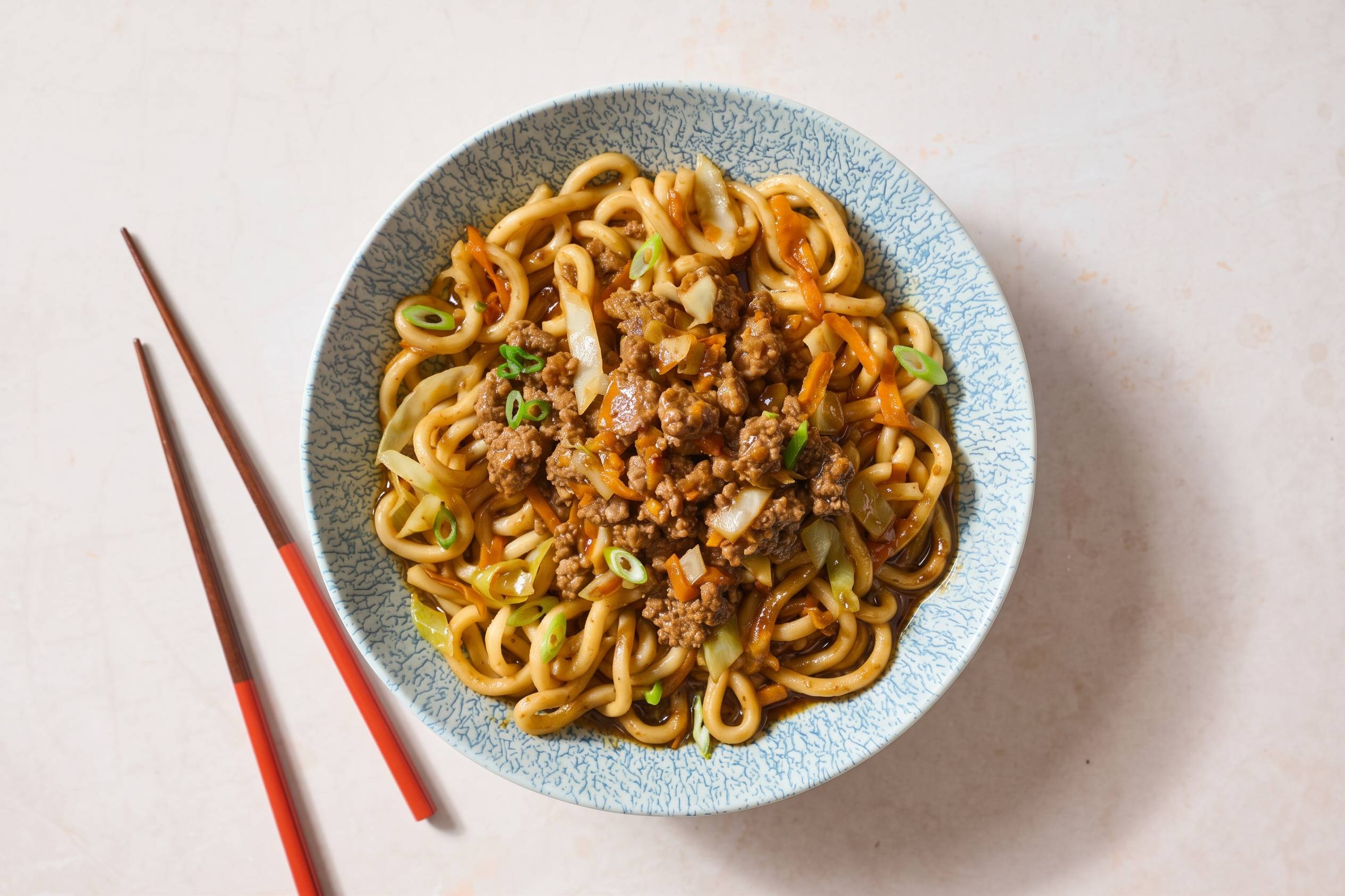
Shrimp Pad See Ew
with Broccoli, Mushrooms, and Peanuts- Egg
- Gluten
- Crustacean/Crustacé
- Soy
- Wheat
- Sulphites
- Peanuts
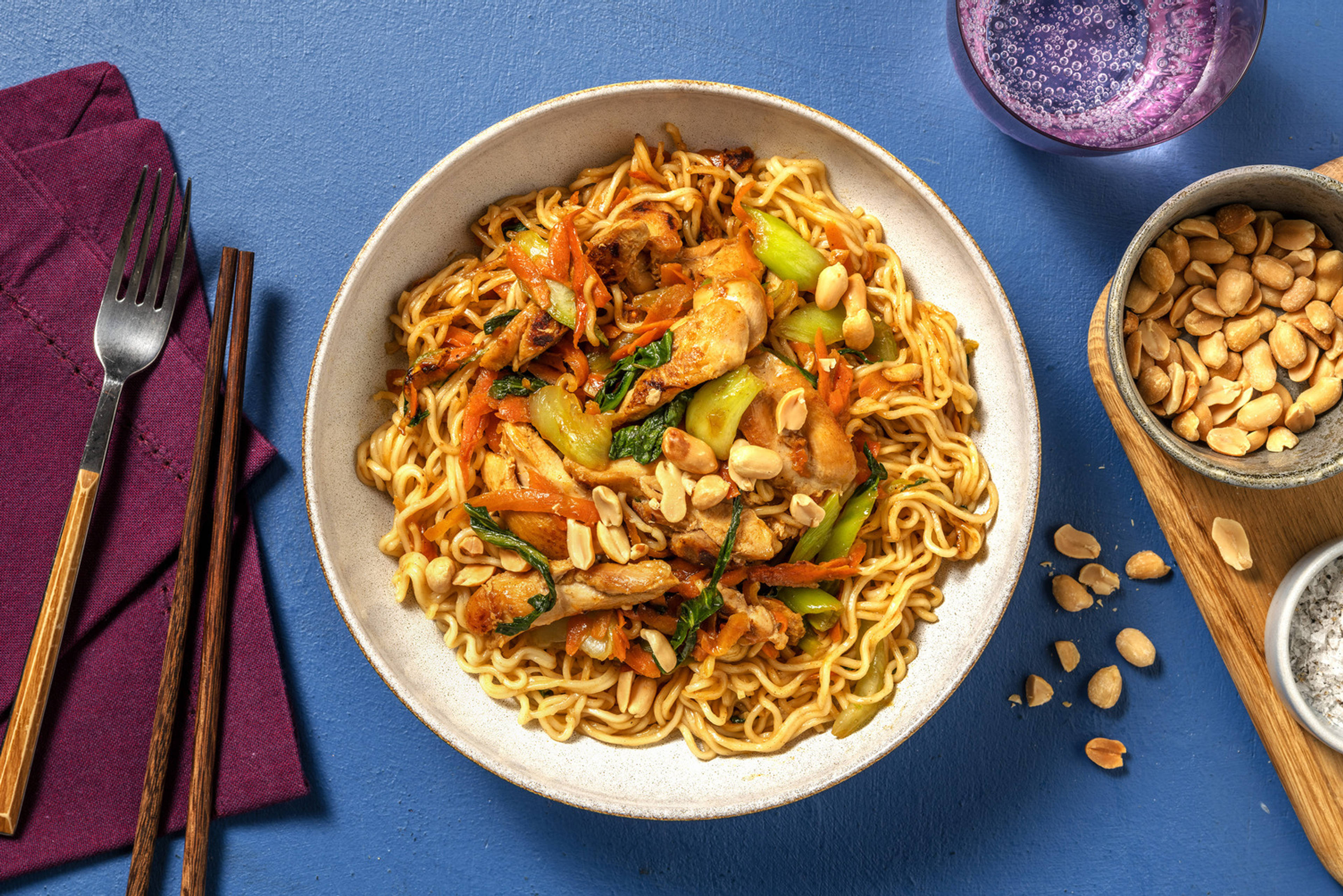
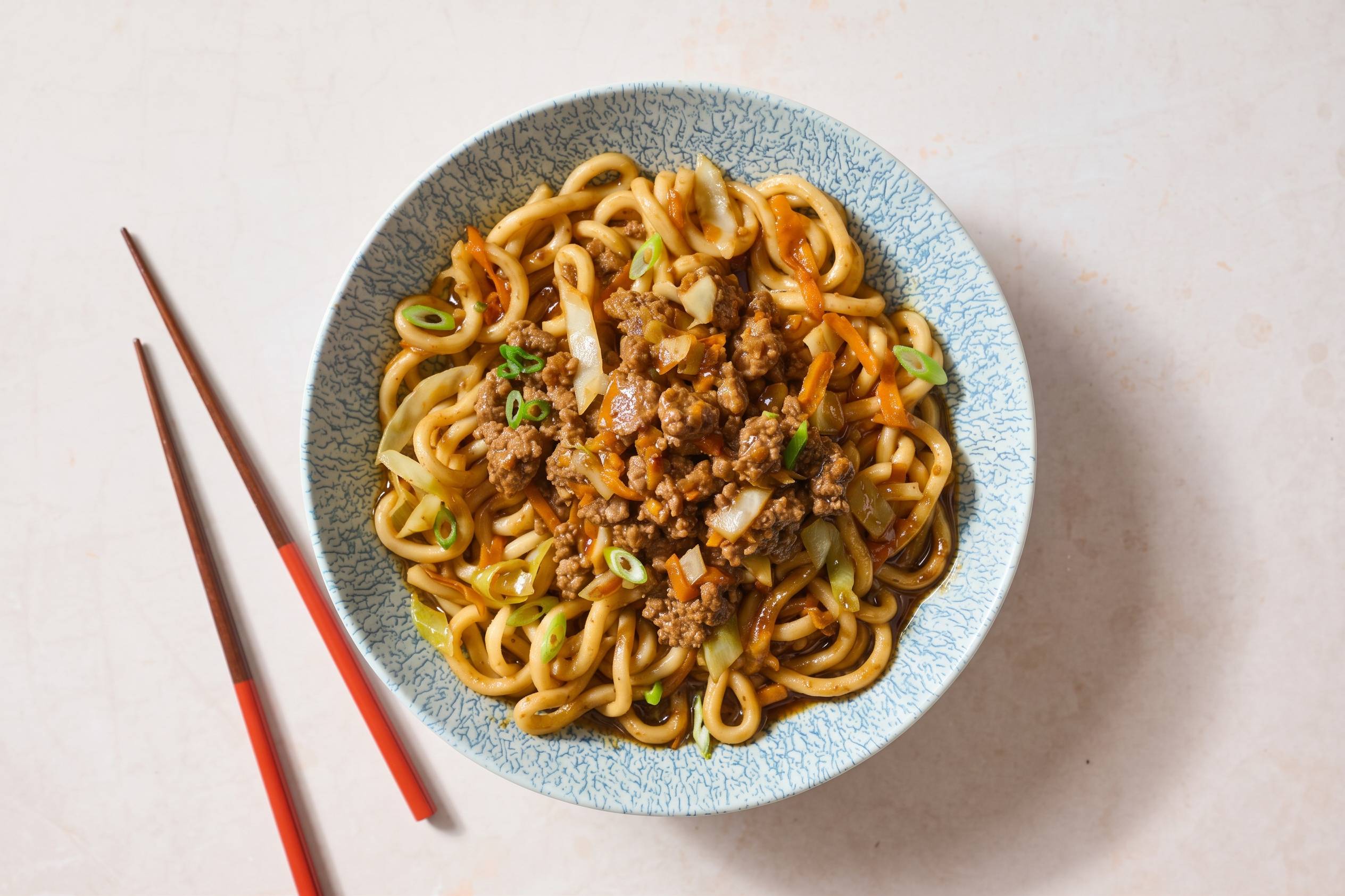
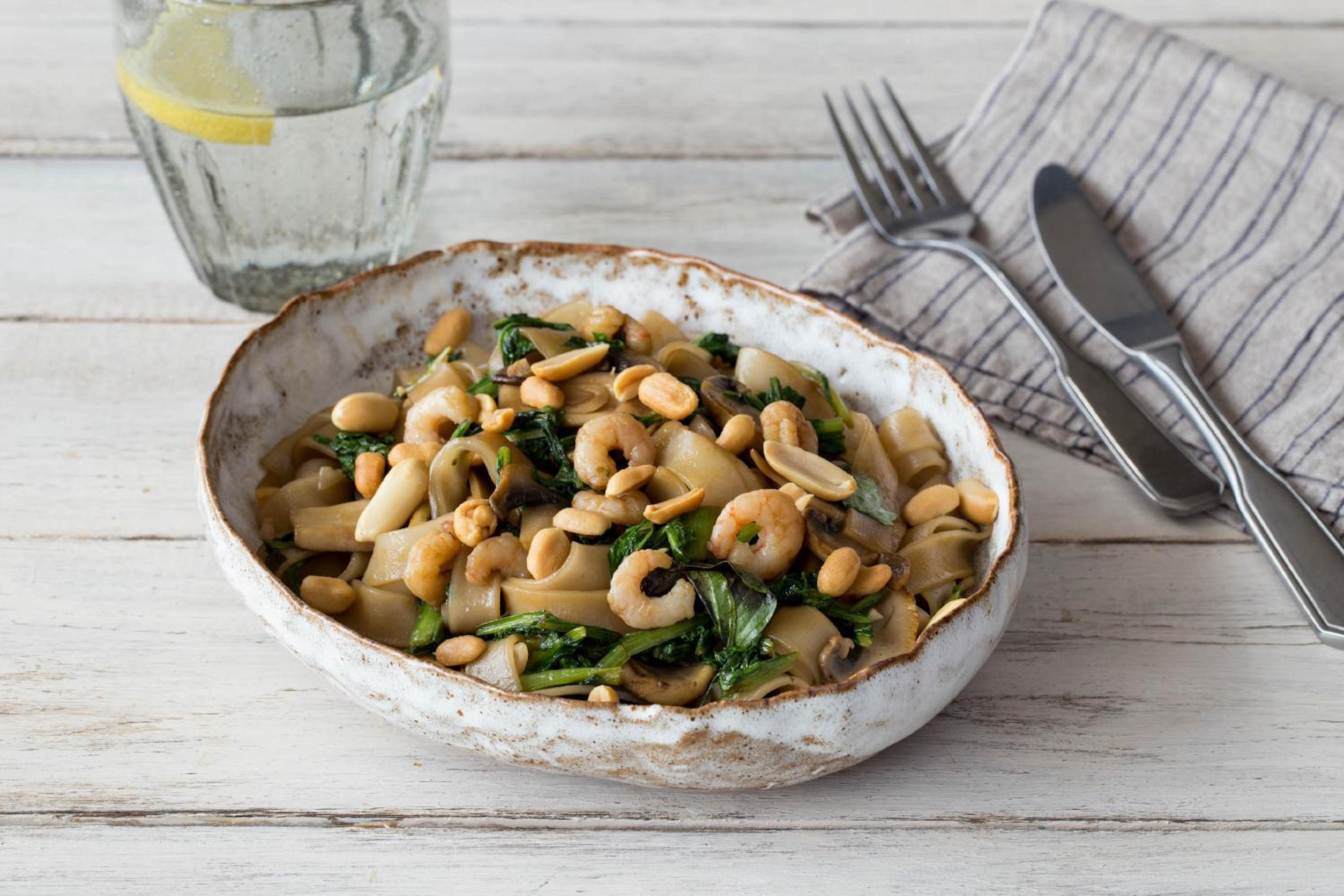
Pad See Ew—one of the most popular Thai noodle dishes— uses wide rice noodles to soak up its sweet soy-based sauce! Flavoured with ginger, garlic, and basil, this stir-fry packs intense flavour.
Ingredients
454 g
Shanghai Bok Choy
28 g
Thai Basil
4 clove
Garlic
30 g
Ginger
300 g
Wide Rice Noodles
(Contains: Egg, Gluten)
227 g
White Mushrooms
570 g
Shrimp
(Contains: Crustacean/Crustacé)
113 g
Shallot
2 tbsp
Low-Sodium Soy Sauce
(Contains: Soy, Wheat)
1 tbsp
Vegetarian Oyster Sauce
(Contains: Gluten, Soy, Sulphites)
56 g
Peanuts, chopped
(Contains: Peanuts)
Not included in your delivery
unit
Salt*
unit
Oil*
unit
Sugar*
Nutrition facts
Cooking Steps
Prep: Bring a large pot of salted water to a boil. Wash and dry all produce. Thinly slice the garlic. Separate the leaves from the bok choy. Peel, then mince or grate the ginger. Coarsely tear the basil leaves. Peel, then thinly slice the shallots.
Cook the noodles: Remove the boiling water from the heat, then add in 3/4 package rice noodles. (TIP: reserve the remaining 1/4 pkg noodles for another day.) Let noodles sit in water, stirring occasionally to prevent clumping, until al dente, 5-7 min. Drain and rinse under cold water.
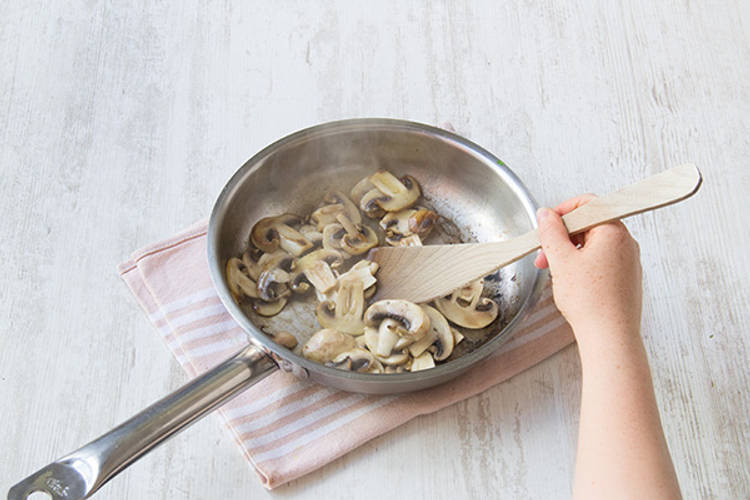
Cook the vegetables: Meanwhile, heat an extra-large pan over medium-high heat. Add a drizzle of oil, then the garlic. Cook for 30 seconds, until fragrant. Add the mushrooms and bok choy. Cook, stirring soften, for 2-4 min, until the mushrooms are soft and bok choy is tender-crisp. Transfer to a medium bowl.
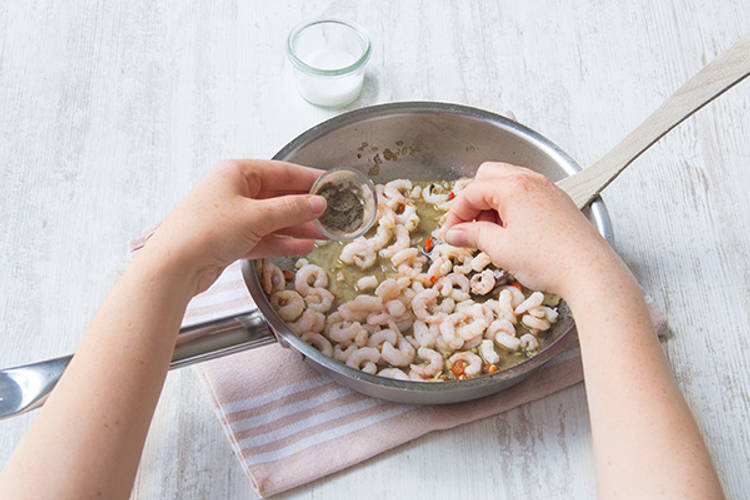
Cook the shrimp: In the same pan, heat another drizzle of oil. Add the shallot and cook for 2-3 min, until softened. Add the ginger and shrimp to the pan and cook for 1-2 min, until the shrimp are just barely opaque.
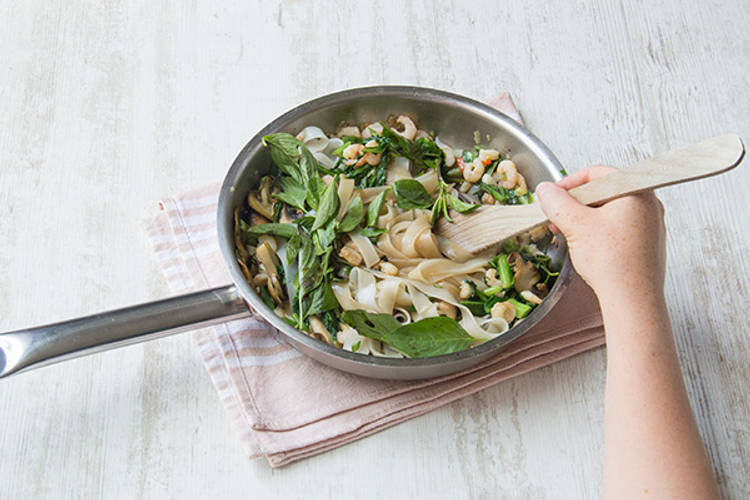
Stir the soy sauce, oyster sauce and sugar into the pan. Then add bok choy, mushrooms, and rice noodles. Stir until thoroughly combined.
Finish and serve: Divide the Pad See Ew between bowls and sprinkle with the basil and peanuts, if desired. Enjoy!
SERVING TIP: Thai basil is heartier and more intensely flavoured than its Italian cousin! For little mouths, add a pinch of basil first, then work your way up!